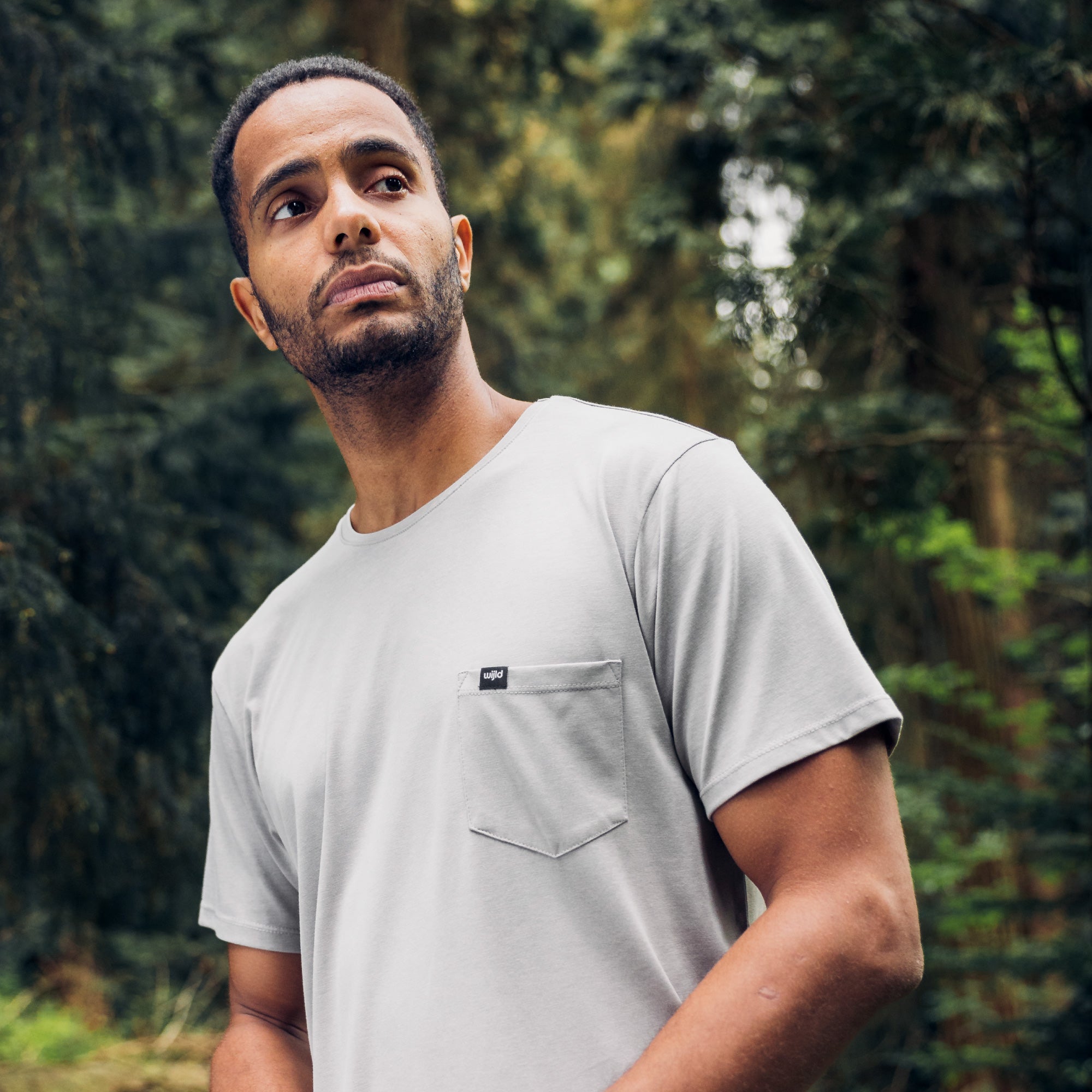


Have you ever saved 1,000 liters of water with a T-shirt? Or did you know that you can make four WoodShirts from just one kilo of wood?
Since 2015, we have been making sustainable clothing from wood that is not only produced ecologically but also made together with selected partners who share our values of quality, sustainability, and fair working conditions.
SUSTAINABLE CLOTHING MADE FROM WOOD - THE ECO-FRIENDLY ALTERNATIVE TO CONVENTIONAL CLOTHING
Although sustainable clothing made from wood may sound unusual at first, it is an extremely eco-friendly alternative to conventional materials like cotton and polyester.
Wood is a natural, biodegradable raw material that, unlike cotton, is also native to our climate zone. The wood used for our clothing comes exclusively from sustainably managed forests, including in Austria, Germany, and the Czech Republic.
WHAT DOES SUSTAINABLE FORESTRY MEAN?
Sustainable forestry describes a form of forest management that balances ecological, social, and economic considerations. The focus is on the forest’s ability to regenerate naturally, which simply means preserving and protecting it for future generations.
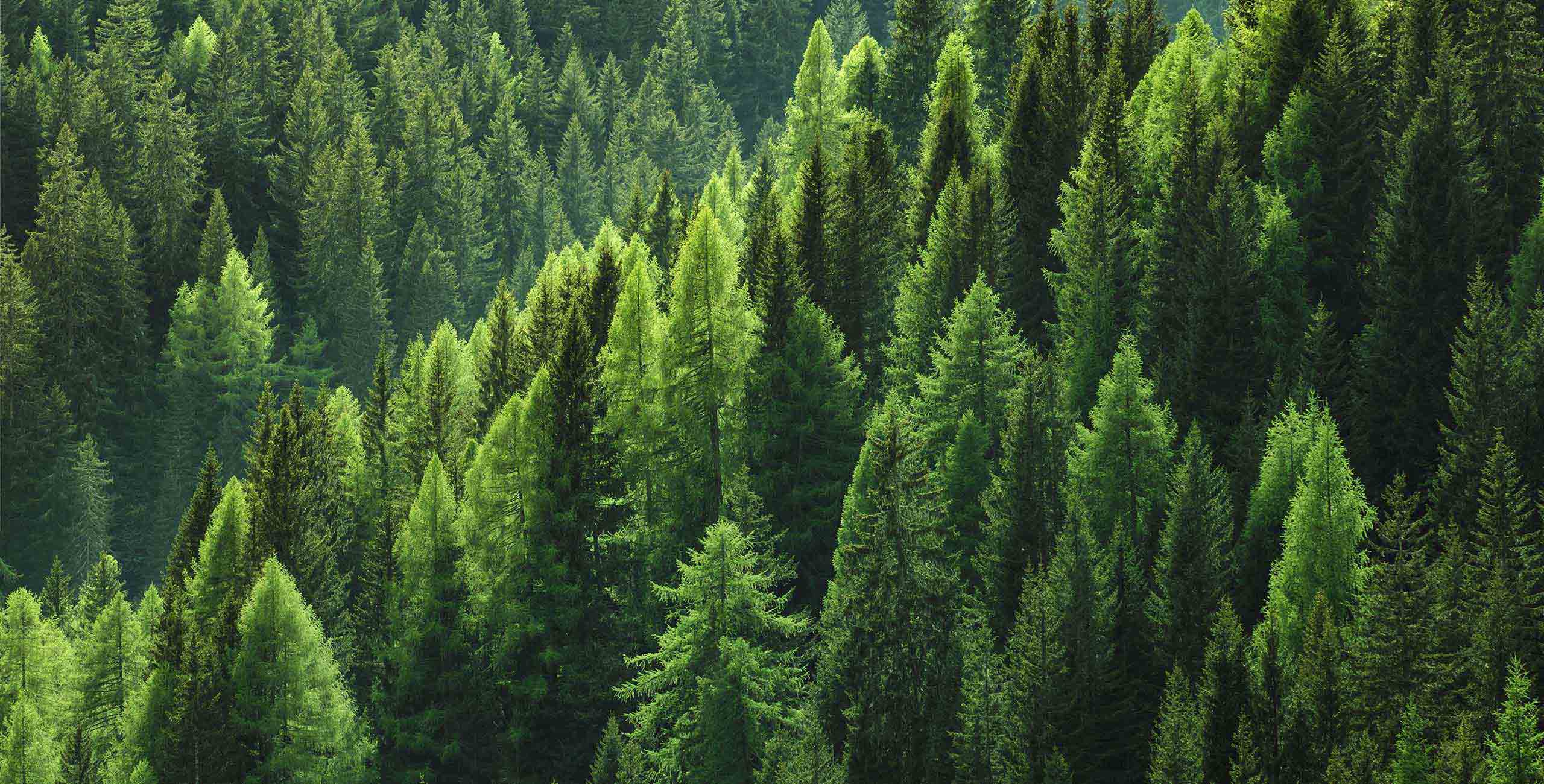
However, forests are more than just collections of trees. They are valuable ecosystems and habitats for a wide variety of animal, fungal, and plant species. They also help protect water and soil by increasing the soil’s water storage capacity through their roots and preventing erosion.
Forests are also enormously important for our climate. They remove CO₂ from the air and store it in trees and soil. It is estimated that 49% of the world’s CO₂ is stored in trees. When wood is processed into wood products, the carbon it contains remains stored, as it is only released when the wood decomposes biologically. Wood products such as our WoodShirts therefore help reduce greenhouse gas emissions and can replace more climate-damaging materials.
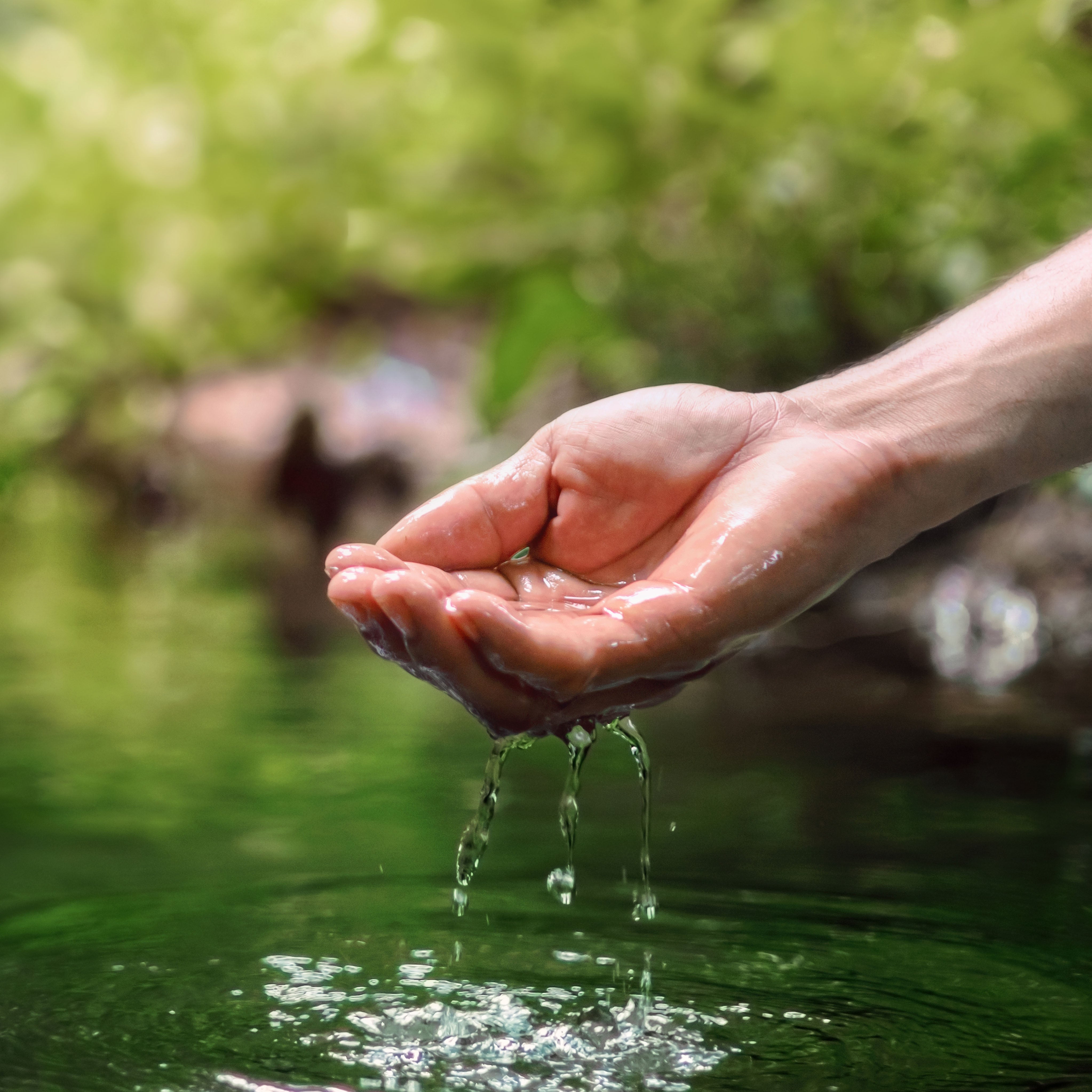
That’s equivalent to more than 8 bathtubs or 120 cases of water
compared to production with cotton
spent on fiber production
WHY CLOTHING MADE FROM WOOD IS MORE ECO-FRIENDLY THAN CLOTHING MADE FROM COTTON
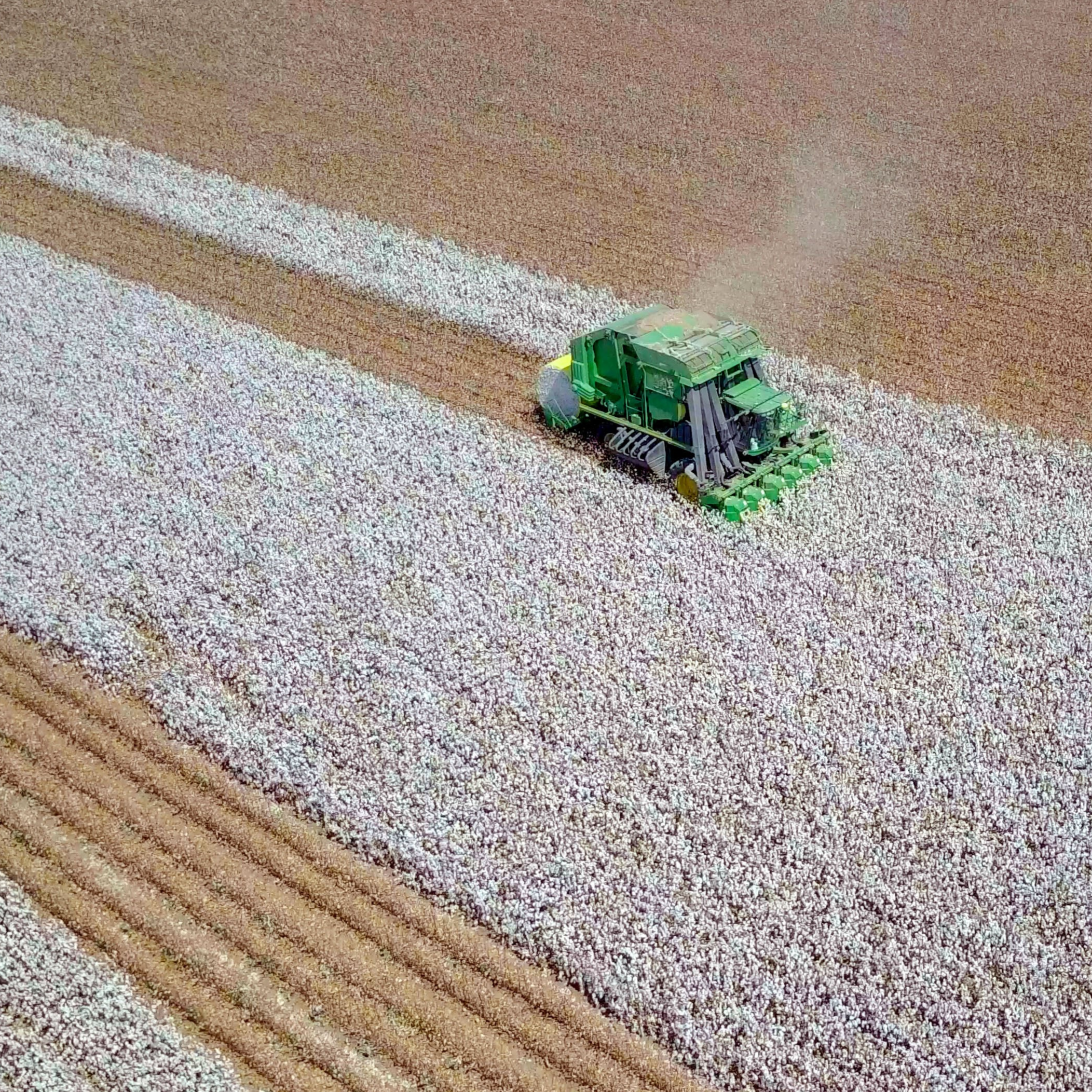
In contrast to conventional cotton, a significant difference in environmental impact can already be seen when trees are planted. While forestry requires no additional fertilizers to produce yields for making wood fiber, various fertilizers and pesticides are used to grow cotton. These substances, including aldicarb, have a severe impact on the environment and contribute to freshwater and soil pollution. The pesticide mentioned causes more than 80% of the freshwater pollution resulting from cotton farming.
Moreover, the high water consumption involved in artificially irrigating cotton plantations in areas with little rainfall can even cause serious, lasting environmental damage. A sad example is the drying up of the Aral Sea, once the largest inland body of water on Earth.
Forests, on the other hand, do not need artificial irrigation and can also store water for longer and in greater quantities than a comparable open area.

required compared with cotton
Another advantage of wood as a raw material for clothing lies in the land required to grow it. For the same quantity of fibers, the average area needed for cotton is 300 to 500% larger than for wood-based fibers. In addition, no new land has to be cleared to manage forests, unlike for monocultures such as cotton.
HOW IS ECO-FRIENDLY CLOTHING MADE FROM WOOD?
The process for producing viscose fibers could probably be called the ancestor of our fabric, and was developed as early as the 1890s. However, the viscose production process has several drawbacks. It uses carbon disulfide as a solvent, which is not only harmful to the environment and human health, but also very resource-intensive.
By contrast, the process used to produce the fibers for our wood-based clothing stands out, especially compared with other cellulose-based regenerated fibers, for its environmental friendliness.
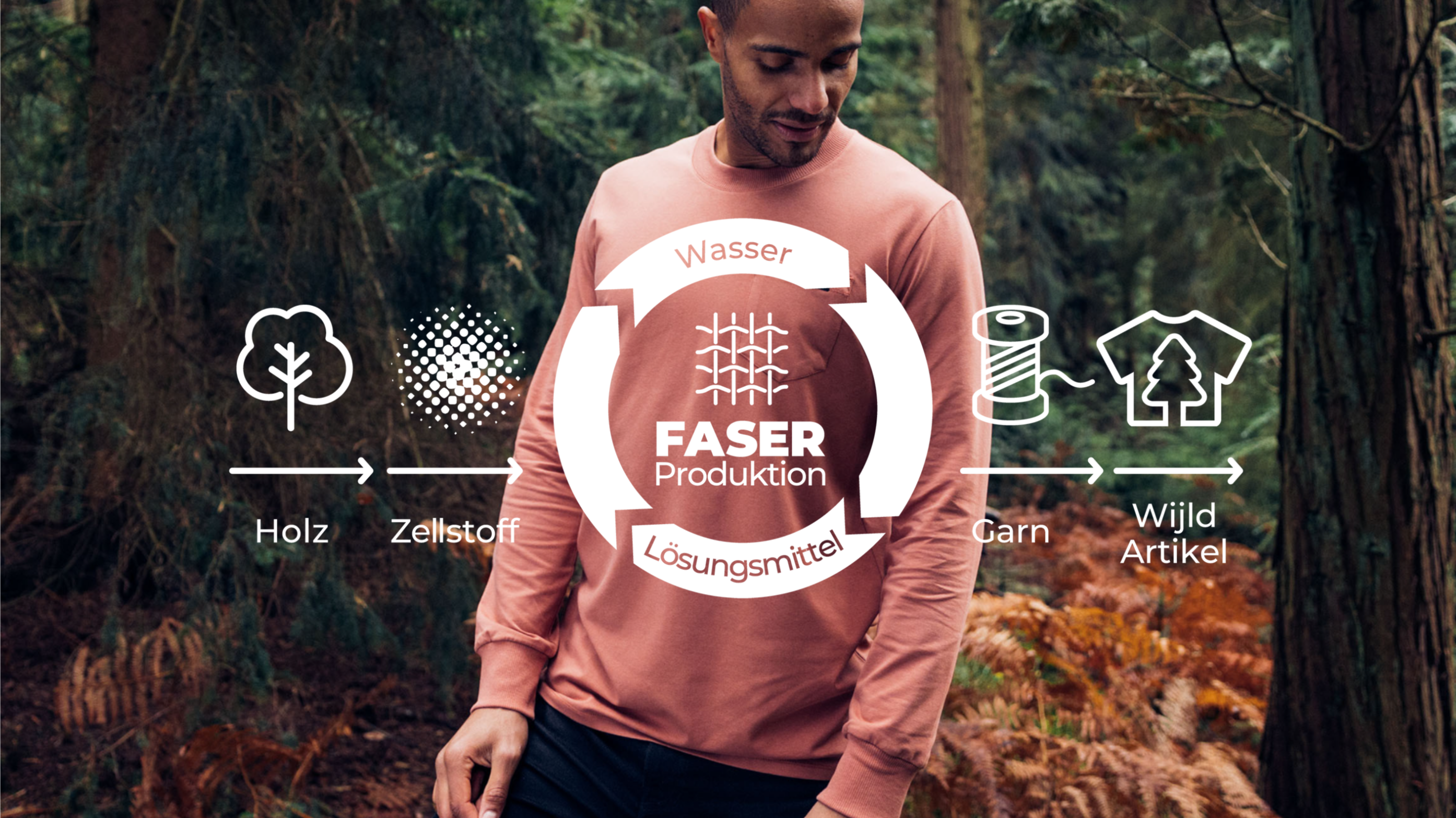
In the first step, cellulose is extracted from the wood. This produces pulp, which is then dissolved in organic, environmentally friendly N-methylmorpholine-N-oxide (NMMO) by removing water, without any chemical modification. It is important to mention that toxic reagents, such as the carbon disulfide (CS2) mentioned above, are avoided throughout the entire process. The pulp is then filtered and finally forced through spinnerets. The resulting fibers are then precipitated in a bath of aqueous NMMO solution and subsequently bundled into a tow.
The solvent can be recycled again and again because it is very easy to remove from the fiber thanks to its excellent miscibility with water. The recycling rate is an impressive 99.5-99.8%. This makes fiber production environmentally friendly and saves valuable resources.

That’s equivalent to more than 8 bathtubs or 120 crates of water
SAVE RESOURCES WITH ECO-FRIENDLY CLOTHING MADE FROM WOOD
You can already see how many resources can be saved by comparing the water consumption of the wood fiber we use with that of cotton.
Producing 1 kg of wood fibers requires 0.02 m³ of process water and 0.243 m³ of cooling water. However, by the time a fiber has been produced from the cotton plant, only 0.005 m³ of process water and 0.037 m³ of cooling water have been used, but a full 5.69 m³ of water has been used for irrigation. In addition, 70% of the water used to produce cotton fiber comes from groundwater and 30% from surface water. Overall, cotton fiber production uses 10 to 20 times more water than the production of the wood fibers in our clothing—or 100 to 500% more if cooling water is excluded. Finally, it is worth noting that most of the water used in producing wood fibers is used only for cooling and is returned to surface waters without being contaminated.
The energy balance of the wood fiber manufacturing process is also impressive. In fact, producing one kilogram of fiber releases just 0.1 kg of CO₂, whereas cotton production generates 2 kg of CO₂ per kilogram of fiber. This means that using wood fibers instead of cotton can reduce CO₂ emissions by a factor of 20. It is also important to mention that the energy used to produce wood fiber comes almost entirely from waste products (such as bark and liquor); more precisely, 86.3% of the fuels used are non-fossil and CO₂-neutral.
spent on fiber production
SUSTAINABLE & BIODEGRADABLE CLOTHING
Fibers derived from wood, just like the wood they come from, are highly biodegradable. Unlike synthetic materials such as polyester, which are the most commonly used in the fashion industry and take centuries to decompose or rot, cellulose-based fibers such as Lyocell take only a few years to biodegrade and leave no harmful residues behind.
WE PLANT TREES – A PIECE OF FOREST FOR EVERY ORDER
With our project, we want to do more than just make eco-friendly clothing. We want to showcase alternatives, foster understanding of the complex steps involved, offer a behind-the-scenes look, and thereby increase appreciation. Since we use a natural resource, we want to give more back and stand up for nature.
That’s why, since wijld was founded, we’ve planted a tree in Mexico for every order and supported a local reforestation project there. In 2021, we acquired our own plot of forest near Marsberg in the Sauerland region and started our own reforestation project. Together with you, we want to reforest this plot, which was devastated by climate change, so that a biodiverse forest can grow there.

WHAT SUSTAINABILITY MEANS TO US
With wijld, we want to promote the use of sustainable raw materials, while also raising awareness of the working conditions under which clothing is made. Unfortunately, most fashion worldwide is produced in inhumane conditions. This refers not only to sewing clothes, but to the entire process, starting with the raw material, such as the cotton plant.
We want to raise awareness of how many people work together to create a garment. Knowing this background and understanding the long production chains makes you see clothing differently. We hope that our small project can help create greater transparency and understanding, encouraging people to shop more consciously and wear their clothes for longer.
That is exactly what sustainability means to us.